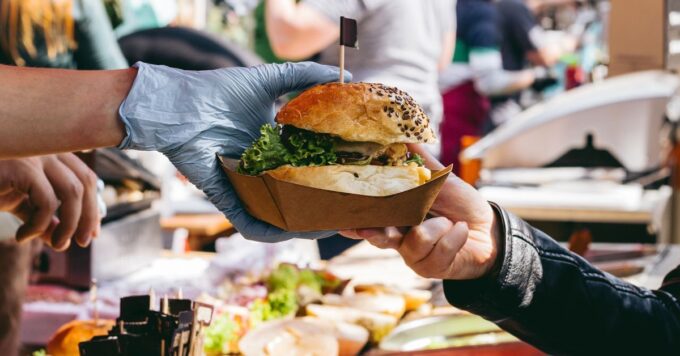
An excellent outdoor food festival should feel like a vibrant and continuous feast. You should have enticing aromas wafting through the air, surprising dishes presented to delight attendees, and sufficient organization to ensure that no one spends the day searching for water or trash cans. To create an unforgettable experience, consider these tips for hosting a gourmet outdoor food festival.
Set A Clear Culinary Theme
Begin with a theme that narrows down your options without limiting creativity. Choices like “Coastal Mediterranean,” “Modern Smokehouse,” or “Global Street Food” provide chefs with direction and help guests manage their pacing. A theme also makes it easier to balance menus, allowing for planning of spice levels, dietary options, and portion sizes. If you want your festival to have a gourmet feel, you must focus on craftsmanship. This involves using house-made sauces, seasonal ingredients, and thoughtful plating, even for handheld dishes.
Keep Guests Curious and Comfortable
Design the flow of the space like a tasting menu. Start with lighter bites near the entrance, then guide guests toward richer items, followed by desserts and coffee later on. Keep high-demand stations away from narrow walkways to prevent crowd congestion. Include plenty of standing tables, as people enjoy lingering when they can set down a plate and socialize. Additionally, incorporate hydration stations in multiple areas, since the sun and salty foods can make people thirsty.
Preparation Space & Safety Procedures
Outdoor events run more smoothly when vendors have dedicated prep space, consistent power access, and clear waste plans. Consider modular structures, especially if you want a sleek, semipermanent look for bars, kitchens, or ticketing. You can use shipping containers for outdoor events to avoid issues such as poor ventilation, traffic bottlenecks, and impractical service windows.
Select Gourmet Vendors
Flavor profiles are important in cooking, and you can apply that same concept to your vendor selection. Choose vendors who complement each other rather than competing for the same craving. Pair an oyster bar with a natural wine pour, a pastry chef with a coffee roaster, and a spice-forward grill concept with bright, citrusy sides. Ask each vendor for one signature item and one smaller “tasting” portion to keep the experience dynamic and reduce food fatigue.