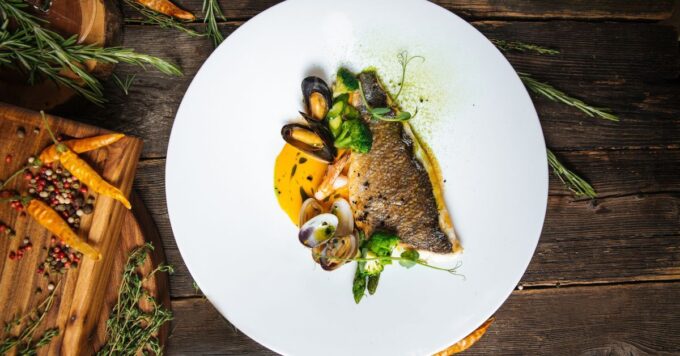
Delicate fish needs a gentler approach than many other proteins. Steak can tolerate a little extra time, while chicken often provides more visual cues. By contrast, just one extra minute in the pan can leave a tender fillet dry and disappointing. The good news is that once you learn how to stop overcooking delicate fish fillets, you’ll feel much more confident at dinnertime. Success starts before you even turn the stove on!
Choose a Fish That Matches Your Skill Level
Not every fish fillet gives you the same room for error. Thin white fish often cook very quickly, so they require close attention throughout the cooking process. Sole and flounder are common examples.
If you’re looking for fish for beginners, start with a slightly thicker fillet. Richer fish and thicker cuts generally provide a little more flexibility while you’re learning proper timing and temperature control. Once you become comfortable with the cooking process, you can move on to thinner, more delicate varieties.
Pat the Fish Fillets Dry
Before you cook, grab a few paper towels and pat the fish dry on both sides. Excess moisture creates steam, which makes it harder to achieve an even cook. Season the fish with salt right before it goes into the pan to help maintain its texture. This simple step gives you more control and helps the fish cook more evenly.
Use Medium Heat
When you’re hungry and in a hurry, cranking up the heat can seem like a good idea. Unfortunately, delicate fish fillets rarely benefit from high temperatures. Instead, use medium heat and let the fish cook gently. Add your cooking fat and wait until it looks glossy before placing the fillet in the pan. If you notice smoke or rapidly browning butter, lower the heat right away. Taking this step helps protect the fish from drying out. If you’d like to learn more about selecting fish varieties for different cooking methods, this guide to different types of fish used in cooking offers a helpful overview of common options and their characteristics.
Flip Once and Stop Moving It
It’s tempting to check on fish constantly, but you’ll get better results if you leave it alone. Let the first side cook until it releases easily from the pan. Then slide a thin spatula underneath and flip it once. Avoid repeated flipping and poking! Both habits can tear the fish’s delicate flesh. Since the fish already holds heat after the first side cooks, the second side usually needs less time.
Trust the Short Cook Time
One of the biggest challenges with delicate fish fillets is trusting how quickly they cook. Most fillets need far less time than you might expect, especially when they are thin and lean. Prepare your side dishes before you start cooking the fish! Doing so allows you to serve everything immediately. When you focus on gentle heat and the visual cues in front of you, you’ll stop overcooking delicate fish fillets and start enjoying fish nights a whole lot more.