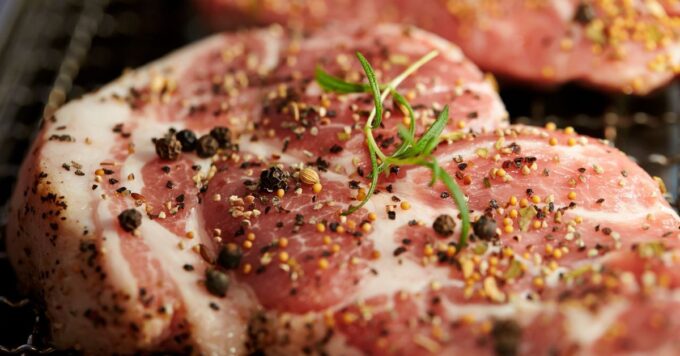
Smoking meat rewards patience, but seasoning shapes much of the flavor that develops during the cook. Italian cooking offers herbs and aromatics that can bring freshness and savory depth to smoked beef, pork, lamb, and poultry. Choosing a few well-matched ingredients often produces better results than piling several strong flavors into one rub.
Instead of reaching automatically for a premixed Italian seasoning, cooks can choose individual herbs according to the meat and cooking time. That approach makes each flavor easier to manage and gives the finished dish a clearer identity. The smoker then becomes another cooking tool for exploring familiar Italian ingredients differently.
Rosemary Stands Up to Flavorful Meats
Rosemary has enough intensity to remain noticeable during a long smoke. Its piney aroma pairs especially well with beef and lamb, where it can cut through richness without taking over the entire dish. Finely chopped fresh rosemary also works well in a wet rub with olive oil and garlic.
Dried rosemary tastes more concentrated, so crush it before adding it to a seasoning blend. Large pieces can feel woody and may dominate individual bites. Among the most useful Italian herbs for meats, rosemary works best when cooks use it with restraint. Rosemary, thyme, and oregano are all flavorful additions to steak and bring depth to smoked beef as well.
Fennel Seed Gives an Italian Accent
Fennel seed immediately recalls the flavor of many Italian pork preparations. Its lightly sweet, anise-like character suits pork shoulder, ribs, and loin especially well. The richness of pork gives fennel enough space to stand out without requiring a heavy hand. Lightly crushing the seeds before adding them to a rub releases more aroma.
Toasting them briefly in a dry skillet can deepen that fragrance, but let them cool before grinding or mixing. A modest amount usually delivers plenty of character. Garlic and black pepper pair naturally with fennel in a pork rub. Red pepper flakes can add gentle heat without changing the overall profile. Together, these ingredients create an Italian-inspired seasoning without making the meat taste exactly like sausage.
Sage Brings Earthiness to Poultry
Sage has an earthy, savory quality that works particularly well with fatty pork. It also suits smoked chicken or turkey when used sparingly. Because its flavor becomes pronounced during cooking, a small amount can influence an entire batch of seasoning. Fresh sage works well in an herb paste, while dried sage blends easily into a dry rub. Lemon zest can brighten the combination, especially on poultry.
That contrast keeps the finished flavor lively rather than overly heavy.n Wood choice also affects how clearly sage comes through. Mild fruit woods tend to leave more room for its subtler notes. This makes sage a good choice for cooks who want a gentler herbal profile.
Oregano and Thyme Create a Useful Base
Oregano brings a savory edge that fits naturally into Italian-inspired cooking. It works with pork, beef, and poultry, making it a reliable starting point for several smoker recipes. Thyme adds a softer herbal quality that can round out the blend without drawing too much attention to itself. Together, oregano and thyme can form the base of a flexible dry rub.
A cook can increase the rosemary for beef or introduce fennel for pork. This method allows more control than a generic seasoning mix. Too much dried oregano can taste bitter, so moderation matters. Thyme usually plays a quieter role and works best as part of the overall blend. Neither herb needs to dominate to make a noticeable contribution.
Garlic Helps Tie the Seasoning Together
Garlic may not qualify as an herb, but it plays an important role in many Italian flavor combinations. Garlic powder works especially well in dry rubs because it spreads evenly across the surface of the meat. It also mixes easily with dried herbs and spices.
Fresh garlic suits marinades and wet rubs, where it can blend with oil and fresh herbs. Rosemary and garlic make a natural pairing for beef, while fennel and garlic complement pork. These combinations create depth without requiring an overly complicated seasoning list.
Prepare the Meat Before Adding the Rub
Good seasoning starts with proper meat preparation for the smoker. A few simple steps before the meat goes into the smoker can affect how well the seasoning adheres and how evenly the meat cooks. Taking time with this stage can also help create more consistent results. Once the meat is ready, season it according to the cut and keep it refrigerated until cooking. Use a reliable meat thermometer during smoking and cook each cut to a safe internal temperature for that type of meat.
Choose Wood With the Seasoning in Mind
Wood contributes its own flavor, so the choice can influence how the herbs taste in the finished dish. Mild fruit woods often suit pork and poultry because they allow fennel, sage, and citrus to remain distinct. Stronger woods can suit beef or lamb when the seasoning has enough intensity to match.
Clean, controlled smoke usually produces a more refined result than heavy smoke. Too much can flatten delicate aromas and make subtle herbs harder to detect. A measured approach gives both the meat and the seasoning more definition.
This matters when using Italian herbs for smoked meats because not every herb carries the same intensity. Rosemary generally remains more noticeable beside stronger smoke, while thyme may recede more easily. Matching the wood to the seasoning can help preserve the character of both.
Build the Blend Around the Meat
A basic seasoning framework makes experimentation easier. Start with salt and black pepper, then add garlic and one or two herbs that suit the cut. From there, adjust the proportions according to the smoking method and desired flavor.
Beef and lamb can handle a more pronounced rosemary note. Pork often benefits from fennel seed, while poultry pairs comfortably with sage or thyme. Lemon zest can add brightness when the blend needs a fresher finish. Treat these combinations as starting points rather than strict formulas. Fat content and
cooking time can change how strongly each seasoning comes through. Small adjustments make it easier to discover which flavors deserve a larger role.
Keep the Flavor Focused
Italian cooking typically gets its character from a small number of well-chosen ingredients. The same principle works at the smoker, where an overloaded rub can make individual flavors difficult to recognize. A focused combination lets each element contribute something distinct.
Rosemary can sharpen the richness of beef, fennel can give pork an unmistakably Italian accent, and sage can add warmth to poultry. The most successful combinations do not try to disguise the meat or the cooking method. They simply give smoked food a different culinary direction.