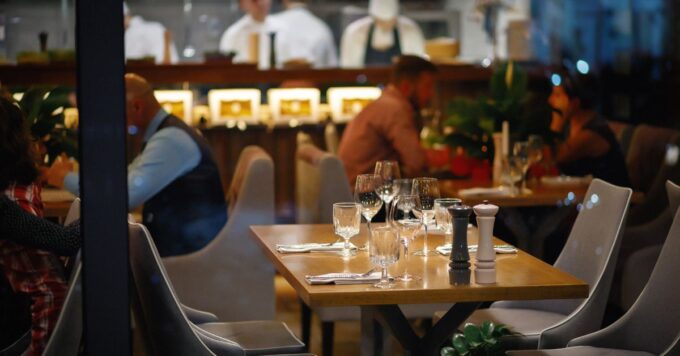
Dining out rarely centers on flavor alone, since atmosphere shapes perception long before the first bite arrives. In designing memorable restaurant dining spaces, subtle choices in layout, texture, and lighting create a sensory backdrop that lingers well after the meal ends. From intimate wine bars in New York to airy trattorias across Europe, each setting reflects a dialogue between culture and design. When that balance lands well, guests experience a seamless blend of comfort and curiosity.
The Role of Materials in Shaping Ambiance
Material selection influences how a space feels as much as how it functions, particularly when surfaces catch light or carry sound across a room. Warm woods soften conversation, while stone floors ground the space with a sense of permanence that suits heritage-driven menus. In more contemporary kitchens, chefs working in open view rely on durable finishes, and many turn to design ideas for stainless steel to
maintain both visual clarity and resilience under pressure. Rather than feeling industrial, these surfaces can reflect ambient lighting and movement, adding energy without overwhelming diners nearby. When paired with softer textures such as linen or leather, the contrast builds a layered environment that feels intentional.
Layout as a Narrative for the Dining Experience
The flow of a restaurant guides guests through an unspoken story, beginning at the entrance and unfolding with each step toward the table. Narrow corridors can heighten anticipation, while open layouts encourage social dining and shared experiences across groups. Seating arrangements, whether communal tables or tucked-away corners, shape how people interact with both food and one another.
For those considering opening their first restaurant, observing how established venues manage movement can reveal patterns that extend beyond aesthetics. A well-planned layout supports staff efficiency while allowing guests to feel at ease, which becomes part of the overall memory tied to the meal.
Texture, Sound, and Sensory Balance
Beyond what meets the eye, texture and acoustics influence comfort in subtle yet lasting ways. Upholstered seating absorbs sound, allowing conversation to flow without strain, while harder surfaces can amplify energy in bustling spaces. The interplay between quiet corners and lively zones creates contrast that keeps a restaurant dynamic. Textures underfoot and at the table contribute to this balance, as smooth finishes contrast with tactile elements like woven fabrics or handcrafted ceramics. Together, these details form a sensory landscape that complements the cuisine.
Why Thoughtful Design Stays With the Diner
Memorable dining spaces resonate because they engage more than taste, weaving together sight, sound, and touch into a cohesive experience. When these elements align, guests leave with an impression that extends beyond the menu, recalling the space as vividly as the meal itself. In revisiting the design of memorable restaurant dining spaces, it becomes clear that thoughtful design considers the intention and awareness of how each element contributes to the whole.